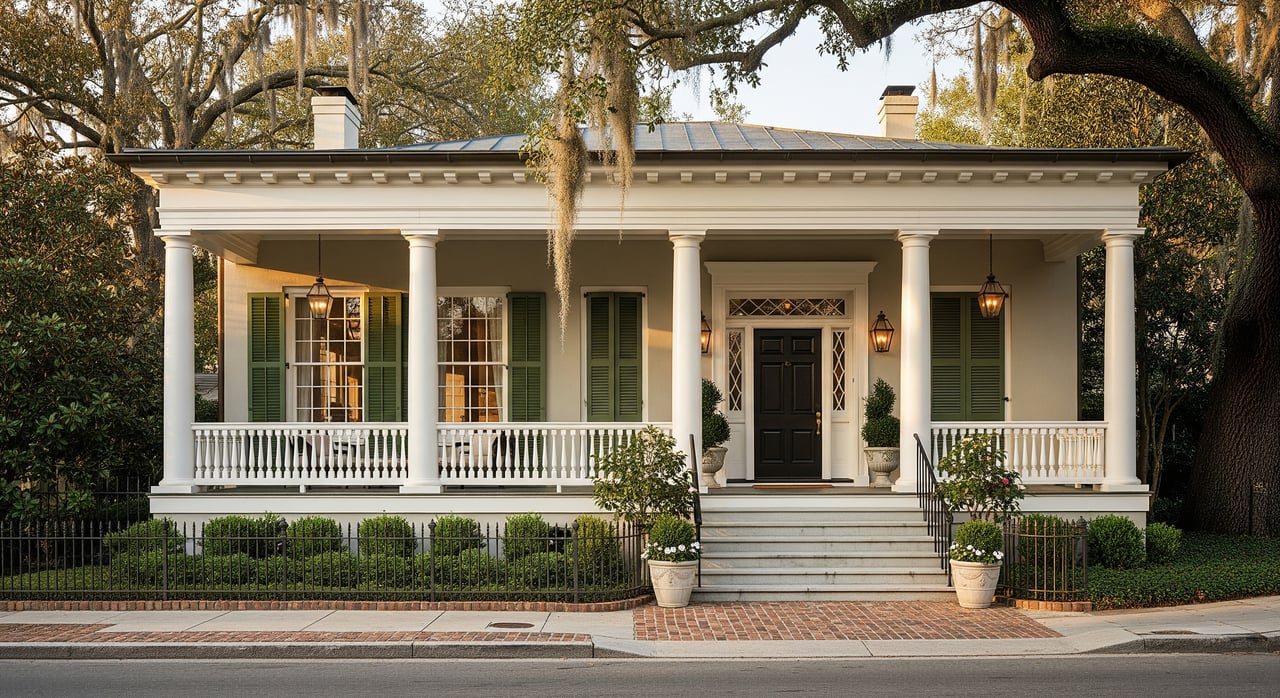
Not sure what to list your Charleston home for? You want top dollar without sitting on the market or chasing price cuts. With the right data and a clear strategy, you can price with confidence and attract serious buyers fast. This guide breaks down how list prices are set in Charleston, what price-band strategy fits your goals, and the steps that help you achieve the strongest result. Let’s dive in.
Why Charleston pricing is different
Charleston is a collection of micro-markets. Downtown historic streets, Mount Pleasant, barrier islands, and marsh or waterfront homes can command very different prices, even a few blocks apart. That is why your price must be based on neighborhood-level data, not national headlines.
Start by reviewing current local figures for inventory, days on market, and sale prices. The Charleston Trident Association of REALTORS publishes monthly market reports you can use as a baseline for timing and demand. You can review the latest trends on the CTAR market statistics page. Check CTAR’s market statistics.
Flood risk and insurance are also material in coastal neighborhoods. Buyers will ask about flood zones, elevation, and insurance costs, which can affect both affordability and your buyer pool. Look up your official flood-zone designation on the FEMA Flood Map Service Center.
Seasonality matters too. Spring and early summer usually see more buyer activity in Charleston. If you plan to list off season, you may need a different price or incentive strategy to create urgency.
How your list price is set
Comparable sales that matter
Agents start with comparable sales that match your property type, size, and condition within a tight radius and recent time frame. In fast-moving spots, comps from the last 3 to 6 months carry the most weight. In historic downtown or other micro-markets, block-to-block differences can be meaningful, so the comp radius is often kept short. The goal is to find the closest apples-to-apples matches and then adjust for differences.
Condition and upgrades
Buyers will pay for move-in-ready. Fresh paint, lighting, landscaping, and updated kitchens or baths can lift your achievable price, while dated finishes or needed repairs can pull it down. As a rule of thumb, minor cosmetic lag can shave roughly 3 to 7 percent relative to renovated comps, while significant system or structural issues can reduce value by 10 to 20 percent or more. Local comps guide the exact adjustments.
Micro-location factors
Street-level details influence price. Corner lots, cul-de-sacs, walkability, proximity to parks, noise corridors, and especially elevation and flood exposure can change buyer sentiment. Homes within communities that offer amenities or historic-district protections can perform differently, depending on fees, rules, and buyer preferences. Your pricing should reflect these hyperlocal features.
Demand signals to watch
Strong demand lets you stretch. Softer demand calls for a sharper number. Key indicators include:
- Days on market: Faster sales nearby suggest more pricing power.
- Sale-to-list price ratio: Over 100 percent often signals bidding competition; under 98 percent suggests buyers have leverage.
- Months of inventory: Under 3 months is usually a seller’s market, 3 to 6 months is balanced, over 6 months is a buyer’s market.
- Financing mix: More cash buyers can stabilize prices, while higher mortgage sensitivity increases price elasticity.
For context on buyer capacity, track mortgage-rate trends through Freddie Mac’s rate data.
Choose your price band
A clear price-band strategy helps you match price to your goals and market velocity.
Price Band A: Aggressive underprice
Position the list price roughly 2 to 7 percent below fair market value to spark urgency. This can widen your buyer pool, drive multiple offers, and potentially lift the sale price back to or above market value. Best for low-inventory environments, turnkey condition, and sellers who value speed.
Price Band B: Market competitive
List close to fair market value, within about 2 to 3 percent. You balance exposure time with price maximization and reduce the risk of disappointing results. Best for balanced markets or slightly seller-leaning conditions when your home matches the quality of recent comps.
Price Band C: Aspirational premium
Test the top by listing more than 5 percent above fair market value when your property is truly unique. Expect fewer showings, a longer timeline, and the possibility of price adjustments. Best for rare waterfront positions, exceptional renovations, or homes without direct comps.
Price Band D: Overpriced to avoid
Pricing materially above fair market value without support from comps leads to low showings and a stale listing. Over time you may make multiple reductions and ultimately sell for less than if you had priced realistically from the start. Avoid this trap by anchoring your strategy in current data.
Actions that support your price
You can improve your achievable price and shorten time to contract with a focused pre-list plan.
- Pre-list refresh: Declutter, deep clean, paint in neutral tones, update lighting, refresh landscaping, and consider small kitchen or bath improvements.
- Staging and visuals: Professional photos, floor plans, and a virtual tour help justify a stronger initial price by increasing online engagement.
- Pre-list inspection: Reduces buyer uncertainty and keeps negotiations clean. Be ready to address findings with repairs or credits.
- Timing: Aim for high-activity windows when possible. Off-season listings can still win with sharper pricing or buyer incentives.
- Flexibility: Consider seller concessions, such as closing-cost help or flexible timing, before making a major price cut.
What to gather before you list
Having documents ready increases buyer confidence and speeds due diligence.
- Recent tax assessment, deed, legal description, and any surveys or plot plans. For parcel details and tax history, see Charleston County property records.
- HOA covenants, fee schedules, and amenity information if applicable.
- Utility averages, maintenance records, and warranties.
- Receipts for renovations and major system upgrades.
- Flood details, including elevation certificates and insurance documentation. Confirm your flood zone through the FEMA Flood Map Service Center.
Your first 14 days strategy
The first 7 to 14 days are your market test. Track showing volume, feedback themes, and the ratio of showings to offers. If activity or offers lag behind nearby comps, refine your strategy with a targeted adjustment or a well-structured concession. Move decisively so you keep momentum and avoid a stale listing.
Quick seller checklist
- Request a comp-driven valuation and market snapshot for your neighborhood, including days on market, months of inventory, and sale-to-list ratios. You can review broader trends on CTAR’s market statistics page.
- Confirm flood status and gather elevation or insurance documents via the FEMA Flood Map Service Center.
- Complete a high-impact refresh: paint, lighting, landscaping, and staging.
- Schedule professional photography and a floor plan or virtual tour.
- Set a clear price-band strategy with a 14 day evaluation plan and predefined adjustment triggers.
Work with a trusted pricing partner
Pricing is equal parts data and presentation. With award-verified production, premium marketing, and deep neighborhood expertise across the tri-county area, you get a process that turns market facts into a confident price and a polished launch. If you are considering a move, connect with Kimberly Lease for a comp-driven strategy, concierge preparation, and premium exposure. Request Your Free Home Valuation.
FAQs
How precise should my list price be in Charleston?
- Base price on a comp-supported range, then let the first 7 to 14 days of activity confirm or adjust your strategy. Small differences of 1 to 2 percent can shift buyer perception.
Do small renovations really move the price?
- Yes, high-ROI refreshes like paint, lighting, curb appeal, and light kitchen or bath updates often reduce needed concessions, while major system issues may require larger price adjustments.
How do flood zones affect pricing and demand?
- Flood zone, elevation, and insurance costs affect affordability and can narrow your buyer pool. Verify your property’s designation on the FEMA Flood Map Service Center and share elevation documents early.
Is it better to price high and reduce later?
- Overpricing usually leads to fewer showings, longer days on market, and multiple cuts that can erode your final price. A market-accurate launch is more likely to maximize your outcome.
When is the best time to list in Charleston?
- Spring and early summer generally see stronger buyer activity locally. Review current local figures on CTAR’s market statistics page and align your pricing and incentives with real-time demand.