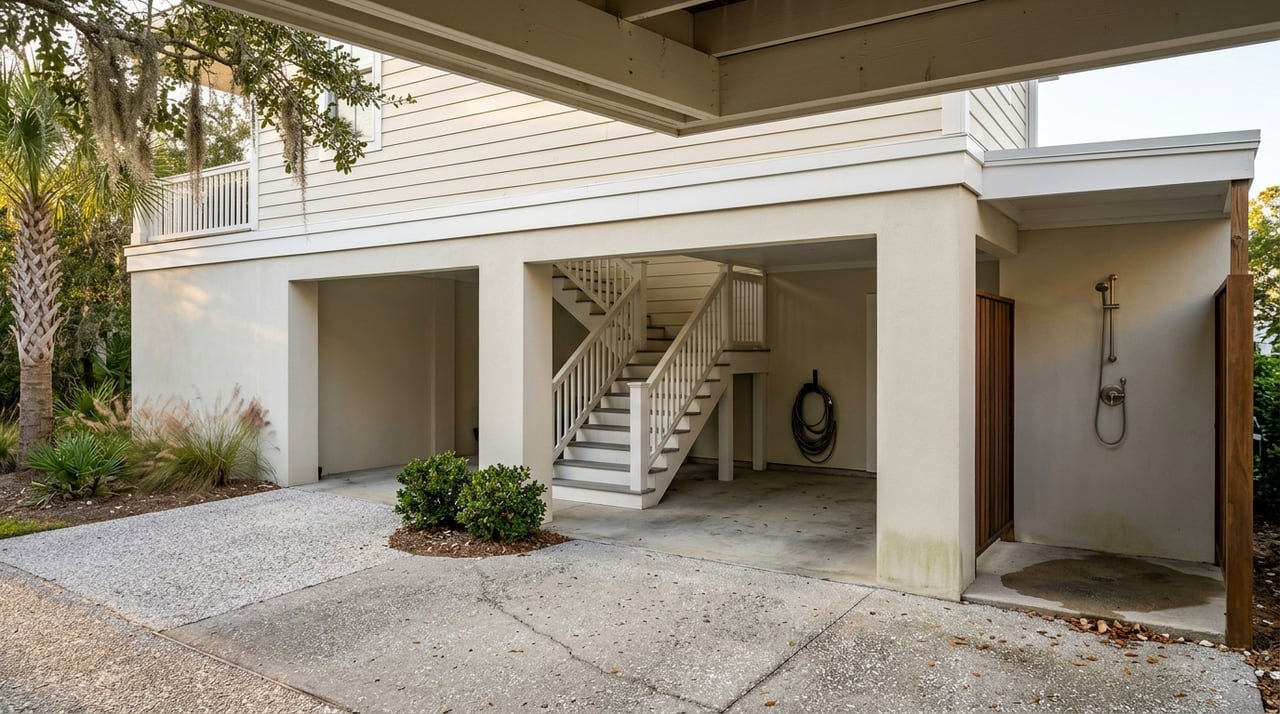
Dreaming about a Folly Beach vacation home? It is easy to picture the fun part first: morning walks by the ocean, quick trips into Charleston, and a place where you can slow down and recharge. But on Folly Beach, the right purchase is about more than views and square footage. You also need to understand parking, rental rules, flood planning, and how you want the home to function year-round. Let’s dive in.
Why Folly Beach Appeals
Folly Beach offers a rare mix of island living and city access. It sits about 10 miles from downtown Charleston, or roughly 20 to 30 minutes by car depending on traffic. For many buyers, that makes it easier to enjoy beach time without giving up the dining, culture, and convenience of Charleston.
The island also gives you a true beach-town setting. Official visitor information describes about six miles of beach, with public access at the end of every block on Ashley Avenue. If you want a property that works as both a personal retreat and a base for hosting friends and family, that access is a major lifestyle advantage.
Lifestyle Questions To Ask First
Before you focus on finishes or rental projections, think about how you plan to use the home. A vacation property can serve very different goals, from a private second home to a part-time rental to a long-term hold for future retirement. Your ideal setup depends on how often you will visit and how much flexibility you want.
Ask yourself a few practical questions early:
- Will you use the home mostly for personal getaways?
- Do you want to rent it when you are not there?
- Will you need space for extended family or frequent guests?
- How important is being able to walk or cart to the beach?
- Are you prepared for coastal maintenance and storm-season planning?
These answers shape almost every smart buying decision on Folly Beach. They can affect the type of property you target, the financing path, and whether projected rental income is even realistic.
Beach Rules Shape Ownership
Owning on Folly means understanding that beach access comes with clear rules. The city seasonally restricts dogs on the beach and limits surfing in the central swimming zone during summer months. Alcohol, smoking, glass, open fires, and fireworks are prohibited on the beach.
Those rules matter for your own use, but they also matter if guests or renters will use the home. The city says beach ordinances are strictly enforced, with fines up to $1,092. If you plan to share the property with visitors, clear house guidance is not just helpful. It is part of responsible ownership.
Parking Can Make Or Break Usability
Parking is one of the biggest logistics issues on Folly Beach. There are 49 public access points, many with paid parking lots, and paid parking runs from 8:00 a.m. to 10:00 p.m. daily. Side-street parking is enforced year-round, and the city has also expanded paid on-street parking on East Arctic Avenue to 5th Street East starting September 1, 2025.
This is why parking should be part of your purchase criteria from day one. A home may sleep a large group, but if it lacks enough off-street parking, it may be far less convenient for you and your guests. On a barrier island, driveway space and access can matter almost as much as the bedroom count.
Resident beach parking permits have also changed. They are valid only in beach-access lots, not on the road shoulder. That makes it even more important to understand exactly how a property functions for everyday use rather than assuming nearby curb parking will solve the problem.
Golf Cart Convenience Has Limits
Golf carts are a major part of Folly Beach life. In fact, the city calls them its preferred mode of transportation. For many buyers, that is part of the appeal because it supports a relaxed, local style of getting around.
Still, golf carts are regulated. The city requires registration, visitors generally cannot register temporary carts, and carts may not be driven at night or in rain or limited visibility. If a golf cart lifestyle is part of your plan, make sure you understand those limits before you buy.
Short-Term Rental Potential Is Not Automatic
One of the biggest mistakes second-home buyers can make is assuming any Folly Beach property can become a short-term rental. The city does not treat rental use as automatic. Folly Beach distinguishes among long-term rentals, owner-occupied short-term rentals, investor short-term rentals, and provisional licenses.
The city also states that rental licenses are not transferable to a new owner. In addition, a property must be rented at least 28 days per year to keep a rental license. Most importantly for investors, the city’s current short-term rental information says no new investor short-term rental licenses are projected to be available for the next business license year.
That means rental potential must be verified during due diligence, before closing. If your numbers depend on short-term income, you need to confirm the actual license path for that specific property and ownership structure, not rely on past use or online marketing language.
Existing Bookings Need Careful Review
If you are buying a property with future reservations already on the calendar, there is another layer to review. Folly Beach has a temporary license process for certain purchases involving pre-existing bookings under the South Carolina Vacation Rental Act. That can matter when a sale includes a managed rental calendar or confirmed guest stays after closing.
This is one of those details that can create stress if it is discovered late. When you are buying a vacation home with income history, the booking calendar is only part of the picture. You also need to understand what the city allows a new owner to do with those reservations.
Taxes Matter If You Plan To Rent
If you want to generate short-term rental income, tax setup is part of the ownership decision. South Carolina says accommodations rented to guests for less than 90 consecutive days are generally subject to a 5% sales tax, a 2% accommodations tax, and any applicable local taxes. Charleston County’s fee schedule lists Folly Beach at 2% for the local accommodations fee, and the county says properties in listed municipalities pay the municipal rate plus the county’s 2% fee.
The South Carolina Department of Revenue also says owners who directly book short-term rentals need a retail license. If bookings happen exclusively through a property management company or online travel company, taxes are typically remitted by that booking party. For buyers, that means your management model affects your setup from the beginning.
Flood Risk Is Part Of Every Purchase
On Folly Beach, flood planning is not optional. The city says the entire city is in a flood hazard area and identifies hurricane storm surge as the greatest flooding threat. The city also participates in the National Flood Insurance Program and Community Rating System.
Construction and renovation rules matter here too. The city says A and V zones have special construction and elevation requirements, and V-zone standards are enforced throughout the city, even in A zones. It also notes that substantial improvement work can trigger compliance issues if renovation costs reach 50% of a structure’s assessed or appraised value.
For buyers, this can affect both the home you choose and the updates you plan after closing. A charming older beach house may come with very different long-term considerations than a newer elevated home. Understanding that early can help you avoid expensive surprises.
Insurance Should Be Discussed Early
Flood insurance deserves its own conversation. FEMA notes that most homeowners insurance does not cover flood damage and that flood insurance is a separate policy. FEMA also says NFIP coverage commonly has a 30-day waiting period before it takes effect.
Flood maps are another key tool in due diligence. FEMA states that flood maps are the official way to understand a property’s hazard area, and flood risk can exist even outside obvious low-lying areas. On Folly Beach, buyers should treat flood review as a standard step, not a worst-case scenario exercise.
Financing Depends On How You Will Use The Home
Lenders usually view a second home differently from an investment property. Freddie Mac’s current published maximum loan-to-value is 90% for a second home and 85% for a one-unit investment property. Fannie Mae also says rental income from a borrower’s second home generally cannot be used to qualify.
That distinction is important if you are still deciding whether the property is mainly for personal use or mainly for income. The financing conversation should happen early, especially if your purchase plan depends on rental performance. On Folly Beach, the lifestyle vision and the financial structure need to match.
A Smart Folly Beach Buying Checklist
When you evaluate a Folly Beach vacation home, keep your focus on both experience and logistics. The right property should fit the way you want to live, not just look good in photos.
Use this checklist as a starting point:
- Confirm how you plan to use the home: second home, part-time rental, or long-term hold
- Review off-street parking and guest parking capacity
- Check beach access and daily usability
- Verify short-term rental license status and future eligibility
- Understand whether any existing bookings can legally carry forward
- Review flood zone, elevation, and insurance implications
- Ask about renovation limits tied to flood compliance rules
- Clarify tax setup if you plan to rent for fewer than 90 consecutive days
- Talk with your lender early about second-home versus investment-property financing
- Build hurricane season planning into your ownership expectations
Folly Beach Is Lifestyle And Logistics
A Folly Beach vacation home can be an incredible lifestyle purchase. You get the rhythm of a barrier-island town, easy beach access, and close reach to Charleston. For many buyers, that combination is exactly what makes Folly special.
At the same time, this is not a market where you want to make assumptions. Parking rules, rental license limits, flood standards, insurance timing, and financing details can all shape whether a property truly fits your goals. If you want a beach home that works well for your life and your long-term plans, careful local guidance makes all the difference.
If you are thinking about buying a vacation home on Folly Beach, Kimberly Lease can help you evaluate lifestyle fit, property logistics, and the details that matter before you close.
FAQs
What makes Folly Beach appealing for a vacation home buyer?
- Folly Beach offers about six miles of beach, public access at the end of every block on Ashley Avenue, and a location about 10 miles from downtown Charleston, which makes it useful as both a beach retreat and a Charleston-area base.
What should Folly Beach buyers know about parking?
- Parking is a major practical factor because paid parking runs daily from 8:00 a.m. to 10:00 p.m., side-street parking is enforced year-round, and a home without enough off-street parking may be less functional for owners and guests.
Can every Folly Beach home become a short-term rental?
- No. Folly Beach has specific rental categories, rental licenses are not transferable to a new owner, and the city says no new investor short-term rental licenses are projected to be available for the next business license year.
What taxes apply to short-term rentals in Folly Beach?
- South Carolina says rentals of sleeping accommodations for less than 90 consecutive days are generally subject to 5% sales tax, 2% accommodations tax, and applicable local taxes, with Charleston County listing Folly Beach at 2% for the local accommodations fee.
Why is flood planning important for Folly Beach homes?
- The city says the entire city is in a flood hazard area, with hurricane storm surge as the greatest flooding threat, so buyers should review flood zones, elevation requirements, insurance needs, and renovation compliance issues during due diligence.
How does financing differ for a Folly Beach second home versus an investment property?
- Lenders may allow different loan-to-value limits depending on use, with Freddie Mac publishing 90% for a second home and 85% for a one-unit investment property, while Fannie Mae says rental income from a second home generally cannot be used to qualify.