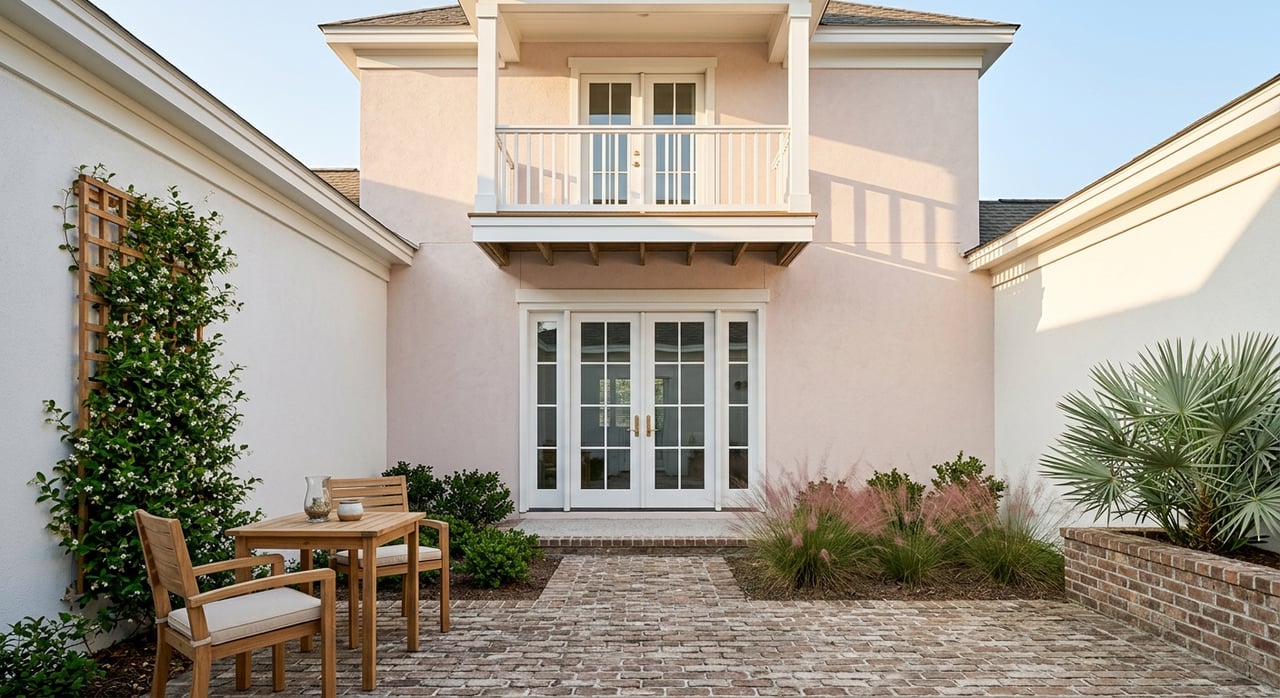
If your current home feels like more work than it should, downsizing can be less about giving something up and more about gaining a better daily life. You may want less maintenance, a simpler layout, or a location that keeps you close to Charleston without the pace of a denser urban setting. James Island often lands on that short list for a reason. Here’s what to consider if you’re thinking about downsizing to James Island.
Why James Island Appeals to Downsizers
James Island offers a close-in suburban setting with a strong owner-occupied feel. According to the U.S. Census QuickFacts for James Island, the town has an estimated 12,451 residents, an 85.9% owner-occupied housing rate, and a mean commute time of 22.6 minutes. For many buyers, that combination supports a more settled, residential atmosphere while still keeping everyday access to Charleston within reach.
It can also sit in a useful middle ground on price. The same Census data shows a median owner-occupied home value of $454,200 on James Island. Current market snapshots cited in the research place James Island below Mount Pleasant and well below Downtown Charleston, which is part of the reason many empty nesters and retirees give it a serious look.
Housing Options on James Island
One of the first things to understand is that James Island is not a condo-first downsizing market. The Town of James Island Comprehensive Plan emphasizes the area’s low-density single-family character while also supporting a variety of housing options and preserving existing housing stock. In practical terms, that means detached homes remain a big part of the market.
That said, lower-maintenance choices do exist. Research in the market report notes current listing pages showing condos and townhomes for sale on James Island, including a condo median listing price of $290K. If your goal is less exterior upkeep, attached housing may give you a more manageable fit than a larger detached property.
Detached Homes vs. Attached Living
A detached home may still work well if you want to keep a yard, extra storage, or guest space. Many downsizers are not trying to move into the smallest possible property. They are trying to move into the right property for the next stage of life.
A condo or townhome may make more sense if your priority is reducing maintenance and simplifying your routine. James Island gives you some of both, which is helpful if you want options instead of a one-size-fits-all market.
What Daily Life Feels Like
For many downsizers, lifestyle matters just as much as square footage. James Island stands out for outdoor access without requiring you to live in a dense downtown environment. The Charleston County Park and Recreation Commission highlights amenities at James Island County Park including paved trails, saltwater fishing and crabbing, a dog park, kayak and paddleboard rentals, a campground, and vacation cottages.
You’re also close to beach access. Folly Beach County Park adds another layer of appeal for buyers who want easy access to the coast as part of everyday life. If your version of downsizing includes more time outside and less time maintaining a large house, that can be a meaningful tradeoff.
Traffic, Transportation, and Mobility
Location convenience is important, but so are the details of how you get around. The City of Charleston’s information on the James Island Connector notes that SC 30 is a four-lane limited-access highway connecting the peninsula to James Island. The city also notes that the peninsula and James Island currently have only two bridge crossings over the Ashley River.
That matters because traffic can shape your day-to-day experience. The town’s comprehensive plan points to recurring beach-season traffic toward Folly Beach, especially on weekends, and identifies pressure points along corridors like Folly Road, Harbor View Road, and Fort Johnson Road. If you are downsizing for convenience, it is smart to evaluate not just the home, but also the specific pocket and your likely travel patterns.
Non-Driving Options
James Island is still fundamentally car-oriented, but there are some alternatives. The city transportation information in the research references CARTA options including Route 31 on Folly Road, the XP1 James Island-North Charleston Express, and Tel-A-Ride coverage for parts of the island. If having occasional non-driving options matters to you, that is worth factoring into your home search.
Walkability Depends on the Pocket
A common mistake is assuming the whole island offers the same lifestyle. It does not. The comprehensive plan explains that walkability and bike access vary, and it specifically mentions concerns such as inadequate sidewalks, limited bike lanes, and traffic on key roads.
That means your experience may differ a lot from one section of James Island to another. If walkability is high on your list, you will want to look at each area carefully and think about your own routines, like grocery runs, park access, and how often you want to drive.
Flood Risk Should Be Part of the Decision
For buyers in coastal markets, flood exposure is not a side issue. It is a core part of smart planning. Charleston County’s floodplain resources explain that buyers can review FEMA flood maps, obtain flood-zone determinations, and check whether a property is in Coastal A, a COBRA zone, or subject to other flood hazards.
Insurance matters too. The research report also notes that the South Carolina Department of Insurance says standard homeowners policies typically do not cover flood damage, and separate flood insurance is generally needed. When you downsize on James Island, it helps to evaluate not only home price and maintenance, but also the possible long-term cost of insurance and risk exposure.
How James Island Compares Nearby
Downsizing is often a comparison shopping process. You may not just be asking whether James Island works. You may be asking whether it works better than nearby options.
James Island vs. Mount Pleasant
If you want a larger suburban market, Mount Pleasant may come up in your search. But the numbers in the research show a notable price gap. Mount Pleasant Census data lists a median owner-occupied home value of $748,500, and the research cites a March 2026 median sale price of $880K, compared with James Island’s $615K snapshot.
For some buyers, that makes James Island the more practical close-in option. You still get suburban character and access to Charleston, but often at a lower entry point than Mount Pleasant.
James Island vs. Charleston and Downtown
If you are deciding between a more urban lifestyle and a more residential one, James Island and Charleston can feel very different. Charleston city Census data shows a 55.6% owner-occupied rate and a median owner-occupied value of $509,700, while the research cites Downtown Charleston’s March 2026 median sale price at $1.225M.
James Island is often the better fit if you want a residential setting with outdoor access and a lower current price point than downtown. Downtown may appeal more if your priority is an urban environment over a suburban one.
Key Questions to Ask Before You Downsize
Before you make a move, it helps to get specific about what you want your next chapter to look like. Ask yourself:
- Do you want a detached home, or would a condo or townhome better reduce maintenance?
- How important is yard space versus easy upkeep?
- Are you comfortable with a car-oriented area, or do you want stronger walkability?
- How often will you need to cross onto the peninsula or travel during beach-season traffic?
- What flood zone is the property in, and how could that affect insurance and long-term costs?
- Are you choosing James Island for proximity, outdoor access, price, or a combination of all three?
The clearer your priorities are, the easier it becomes to identify which part of James Island truly fits your goals.
A Smart Downsizing Strategy
James Island can be a strong downsizing option if you want close-in suburban living, access to parks and the coast, and a market that offers both detached homes and some lower-maintenance attached options. At the same time, it is important to go in with clear eyes about traffic, pocket-by-pocket walkability, and flood-related due diligence.
If you’re weighing a move and want help comparing homes, neighborhoods, and lifestyle tradeoffs, Kimberly Lease can guide you through the James Island market with local insight and a tailored plan for your next move.
FAQs
Is James Island a good place to downsize near Charleston?
- James Island can be a strong choice if you want a close-in suburban setting, access to outdoor recreation, and a lower typical price point than Mount Pleasant or Downtown Charleston based on the research provided.
What housing types are available for downsizing on James Island?
- James Island is largely a detached-home market, but the research also shows condos and townhomes are available for buyers looking for lower-maintenance options.
How expensive is James Island compared with nearby areas?
- The research cites a March 2026 median sale price of $615K on James Island, compared with $880K in Mount Pleasant and $1.225M in Downtown Charleston.
What should buyers know about traffic on James Island?
- Buyers should know that the area has recurring traffic considerations, including beach-season congestion toward Folly Beach and limited bridge crossings connecting James Island and the peninsula.
Is James Island walkable for retirees or empty nesters?
- Walkability varies by pocket rather than across the whole island, so it is important to evaluate each area based on your own daily routines and transportation preferences.
What flood questions should buyers ask on James Island?
- Buyers should review FEMA flood maps, request a flood-zone determination, and understand that standard homeowners insurance typically does not cover flood damage, which may require separate flood insurance.