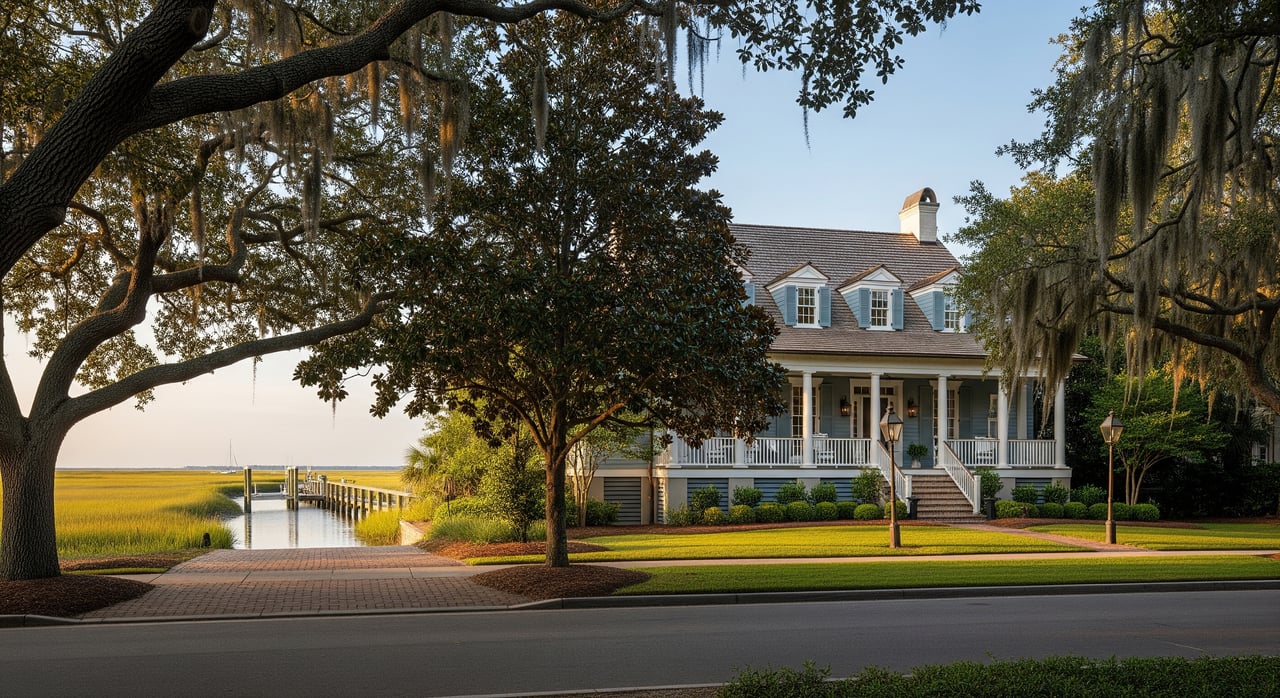
Trying to decide where to live in Mount Pleasant can feel like comparing apples to oranges. You might love the idea of walking to dinner on Shem Creek, but also want a bigger yard and a quick route to work. You are not alone. In this guide, you will learn a simple way to compare neighborhoods, what tradeoffs to expect, and how to focus on what matters most for your lifestyle and budget in Mount Pleasant. Let’s dive in.
A simple way to compare neighborhoods
Use this six-part framework to compare options side by side. Score each criterion from 1 to 10, then apply the suggested weight to get an overall fit score.
- Commute to work and key destinations — 25%
- Schools and school assignments — 20%
- Home size, lot size and layout — 20%
- Budget, price and resale potential — 15%
- Community amenities and lifestyle — 10%
- HOA, fees and maintenance tolerance — 10%
How to use it:
- List your top three to five neighborhoods. 2) Gather basics: peak drive times to your job, school assignments, typical beds and baths, HOA fees, and on-site amenities. 3) Note any flood zone details and elevation. 4) Score each criterion 1 to 10, multiply by the weight, then add them up. 5) Write a one-line summary of the tradeoffs for each.
Key factors Mount Pleasant buyers weigh
Commute and location
Mount Pleasant spans from the Ravenel Bridge to the town’s northern reaches. Proximity to US-17, I-526, and the bridge can shape daily life. Check typical drive times during peak hours to your job sites and frequent destinations. Map alternate routes so you know how traffic flows when weather or road work changes your plans.
Schools and assignments
School zoning is a priority for many families. Confirm current school assignments using Charleston County School District resources and review state report cards for context. Consider distance from home to campus and how that affects your routine. If you are considering magnet or charter options, note application timelines and eligibility.
Home and lot size
Decide your must-haves first. Typical questions include the number of bedrooms and baths, whether you need a home office or playroom, and your preferred number of stories. If a larger yard or garage space is essential, that will steer you toward established suburbs or master-planned communities over walkable village settings.
Budget and resale
Set a target price range and a comfortable monthly number. Then look at 12-month trends like median sale price, price per square foot, days on market, and inventory when comparing neighborhoods. Waterfront and deep-water access often command premiums and can be more sensitive to market shifts. Inland properties may offer broader buyer pools and lower carrying costs over time.
Amenities and lifestyle
Decide what you will use weekly. Pools, playgrounds, trails, marinas, and community events all add value if they match your lifestyle. If you want to walk to coffee and dinner, focus on historic and New Urban areas. If you prefer a resort-style amenity package and bigger homes, master-planned communities and golf-course neighborhoods are strong fits.
HOA rules and maintenance tolerance
Newer and master-planned communities often have HOAs with design guidelines and monthly or quarterly fees. Established subdivisions may have lower or no recurring fees but fewer on-site amenities. Be honest about your tolerance for covenants, exterior standards, and ongoing maintenance responsibilities.
Flood risk and insurance
Mount Pleasant includes FEMA-designated flood zones that vary by street and even by lot. Ask about the FEMA flood zone, base flood elevation, and any mitigation like elevated foundations or bulkheads on waterfront properties. Insurance cost and underwriting can be affected by elevation and structure type. A local insurance quote and a review of county floodplain resources will help you see the full picture.
Mount Pleasant neighborhood types
Each area has a distinct feel. Here is how the most common neighborhood types in Mount Pleasant stack up, along with typical tradeoffs.
Old Village and Shem Creek
- What you will notice: Historic homes, cottage architecture, front porches, and boardwalk views with shrimp boats along Shem Creek. Walkable access to restaurants, Memorial Waterfront Park, and marinas.
- Tradeoffs: Smaller lots and limited private yard space are common. There can be more pedestrian and seasonal visitor activity. Some parcels may have higher flood exposure.
- Best fit: You want a village feel and waterfront-adjacent lifestyle with strong walkability to dining and parks.
I’On and New Urban communities
- What you will notice: Gridded streets, sidewalks, pocket parks, community greens, and design guidelines that create a consistent, porch-forward streetscape.
- Tradeoffs: Smaller lots and more active HOA oversight. Premium pricing reflects location and community lifestyle.
- Best fit: You value community events, walkability, and architectural continuity.
Park West, Hamlin, Summerhouse and nearby master plans
- What you will notice: Amenity centers, pools, multi-use trails, and family-friendly floorplans. Some phases include on-site commercial nodes for everyday convenience.
- Tradeoffs: HOA rules and fees apply. Architecture can be more uniform, and locations may be farther from historic downtown depending on the phase.
- Best fit: You want newer construction, on-site amenities, and straightforward access to US-17.
Carolina Park
- What you will notice: A master-planned design centered on parks, trails, and integrated school sites nearby. Newer homes with open layouts and community gathering spaces.
- Tradeoffs: HOA covenants and fees are typical. Landscaping matures over time in newer sections.
- Best fit: You prioritize green space, community programming, and a newer-home environment.
Dunes West and Rivertowne
- What you will notice: Golf, marina or boat access, larger lots, and a mature tree canopy. Clubhouses and resort-style amenities attract active buyers.
- Tradeoffs: Higher HOA or club membership fees depending on amenities. Resale can vary by segment and proximity to amenities.
- Best fit: You want recreational amenities like golf or boating and space for outdoor living.
Rivertowne, Brickyard and similar established suburbs
- What you will notice: Mature landscaping, larger yards, and a blend of renovated and original homes from the 1980s to 2000s, plus newer infill in some pockets.
- Tradeoffs: Fewer on-site amenities than master-planned developments, yet often lower recurring HOA costs.
- Best fit: You want an established street feel, nearby schools, and straightforward access to shopping corridors.
Towne Centre area and infill townhomes or condos
- What you will notice: Higher-density living near major retail, dining, and services. Low-maintenance townhomes and condos appeal to busy lifestyles.
- Tradeoffs: Less private outdoor space and association fees. Privacy is more limited than in detached single-family homes.
- Best fit: You prioritize convenience, lock-and-leave living, and quick access to shopping and restaurants.
What to look for on your tour
- Visit at different times: Check peak commute hours, after-school traffic, and weekends to see true rhythms.
- Walk the amenities: Parks, pools, trails, marinas, sidewalks, and crosswalks show how a neighborhood lives day to day.
- Scan home details: Lot sizes, garage capacity, and room counts help confirm daily fit for work-from-home and storage needs.
- Ask about risk and resilience: Flood zones, elevation, stormwater features, and any mitigation like raised foundations matter for long-term costs.
Example comparison worksheet
Use this quick template to organize your notes for each neighborhood.
- Commute: AM and PM drive times to primary jobs and frequent destinations. Access to US-17, I-526, and the Ravenel Bridge.
- Schools: Assigned elementary, middle, and high schools. Distance and any magnet or charter interest.
- Home and lot: Typical beds, baths, lot size, and any must-have spaces like a home office.
- Budget and resale: Recent price trends, price per square foot, days on market, and inventory.
- Amenities and lifestyle: Pools, trails, parks, playgrounds, marina or golf, and proximity to dining and retail.
- HOA and maintenance: Fees, covenants, and your tolerance for exterior standards.
- Flood and insurance: FEMA flood zone, elevation notes, and preliminary insurance guidance.
Scoring tips: Rate each item 1 to 10, multiply by the weight, and total your score. Add a one-line summary, for example, “Great for waterfront lifestyle, moderate commute, premium price.”
Your next steps
If you are moving up, relocating, or narrowing a shortlist, a focused strategy session saves time. Here is how we can help you get clarity fast:
- Discovery call: We align on household needs, commute targets, school preferences, amenities, HOA tolerance, timeline, and budget comfort.
- Custom shortlist: You get a side-by-side comparison of 3 to 5 neighborhoods with notes on commute, assignments, amenities, and flood considerations.
- Guided tour plan: We map the most efficient route and schedule a visit during realistic traffic windows, plus preview any new-construction phases and HOA documents.
Quick note: School boundaries, HOA terms, and flood maps evolve over time. Always verify current assignments, rules, and zoning with official sources before you decide.
Ready to find your fit in Mount Pleasant with a trusted local advocate by your side? Connect with Kimberly Lease for a personal consult and a custom neighborhood comparison that matches your family’s goals.
FAQs
How should I balance commute and schools in Mount Pleasant?
- Map real peak-hour drive times to each job and compare them with school assignments. If both adults commute daily, weight commute higher. If school routines drive your day, prioritize assignment and distance.
Are HOAs common in Mount Pleasant neighborhoods?
- Many newer and master-planned communities have HOAs with design guidelines and fees. Established subdivisions may have lower or no recurring fees but offer fewer on-site amenities.
Do waterfront homes always offer better resale?
- Waterfront and deep-water access often command premiums but can carry higher insurance and maintenance costs. Inland homes may appeal to a wider buyer pool and offer lower ongoing costs.
Should I buy new construction or a resale home?
- New construction provides modern layouts and warranties. Resale homes can offer mature landscaping, larger lots, and potentially lower initial cost per square foot. Consider your timeline and renovation tolerance.
How important is flood zone information in Mount Pleasant?
- It is essential. Flood zones and elevation affect insurance, mortgages, and future renovations. Confirm FEMA zone and elevation, then consult a local insurance professional for estimates.
What should I check before making an offer in a master-planned community?
- Review HOA covenants and fees, amenity access and costs, recent market trends, school assignments, and any floodplain details. If it is new construction, ask about build timelines and available incentives.