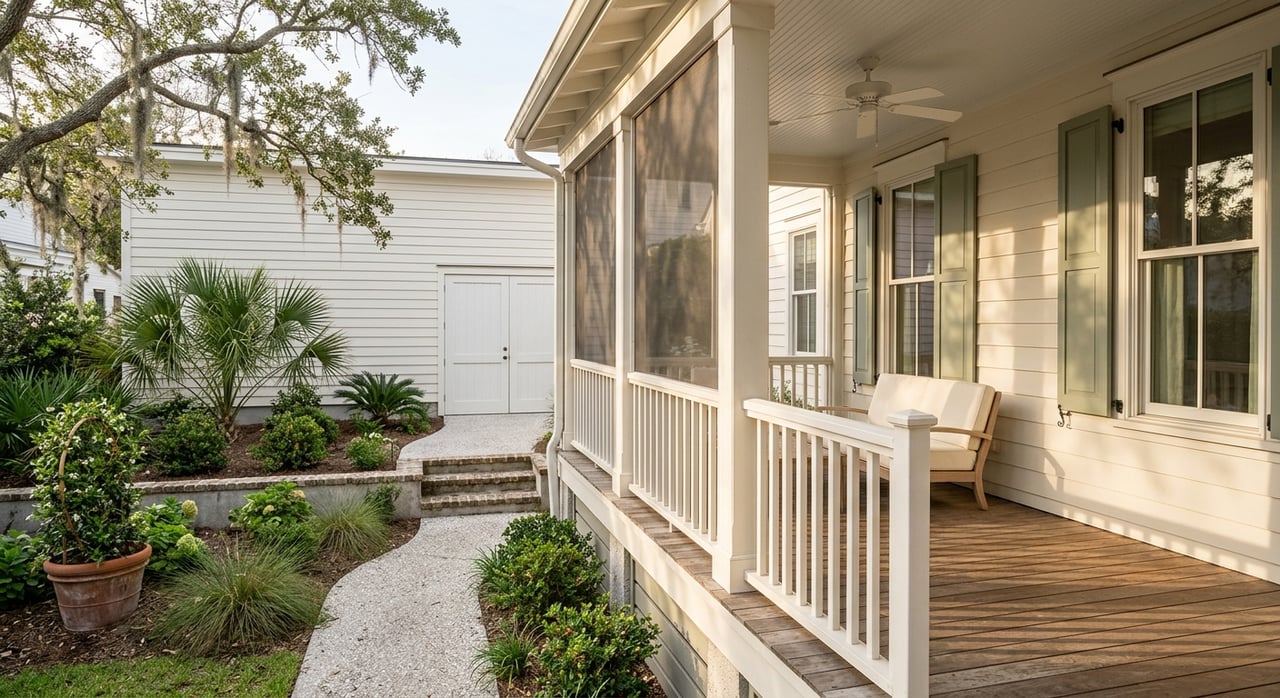
Thinking about a second home on Isle of Palms? You are not alone. For many buyers, the appeal is easy to understand: beach days, boating access, and a coastal home base that still keeps you close to Charleston. The key is knowing what ownership really looks like before you buy, from taxes and insurance to rental rules and seasonal traffic. Let’s dive in.
Why Isle of Palms attracts second-home buyers
Isle of Palms offers the kind of coastal lifestyle many second-home buyers want in one place. The city has seven miles of beaches, a Front Beach commercial district with restrooms, parking, restaurants, and shops, plus a 50-slip marina with a public boat ramp and boater amenities.
That mix can make the island especially appealing if you picture your second home as more than just a place to sleep. You may want easy beach access one day and boating or dining the next. Isle of Palms supports that lifestyle with public amenities that make day-to-day use easier.
There is also an important seasonal side to consider. The city offers more than 50 beach access paths, enforces paid parking from March 1 through October 31, and advises visitors to avoid peak traffic hours during busy periods.
For you as a buyer, that means the island may feel very different in summer than it does in the off-season. A home that feels peaceful in winter may sit in a much busier pattern during peak beach months. That does not make one area better or worse, but it does make it worth thinking carefully about how you plan to use the property.
Understand the coastal ownership reality
Buying on a barrier island means you should plan for ongoing coastal management. Isle of Palms has ongoing beach renourishment activity, and the city issued requests for bids in 2026 for a larger renourishment project.
This is not a reason to avoid the market. It is simply part of owning in a shoreline environment. Beach access patterns, project timing, and long-term resilience planning can all be part of the ownership experience.
If you are comparing properties, it helps to look beyond the house itself. You want to understand how the location, access, and broader coastal setting may affect your use of the home over time.
Condo or single-family home?
For many second-home buyers, this is the biggest early decision. Both condos and single-family homes can work well, but the right choice often comes down to your lifestyle, maintenance preferences, and any plans for part-time rental.
A condo may appeal to you if you want a simpler lock-and-leave setup. A single-family home may offer more privacy, more outdoor space, and a different ownership feel. On Isle of Palms, parking, seasonal traffic, and local rental rules can all affect how flexible each option feels during the busiest months.
What qualifies as a second home
Fannie Mae says a second home must meet specific standards. It must be occupied by the borrower for some portion of the year, be a one-unit dwelling, be suitable for year-round occupancy, remain under the borrower’s exclusive control, and not be a rental property, timeshare, or a property under a management arrangement that controls occupancy.
That matters because your intended use is not just a personal decision. It can affect how your lender views the property and whether the home fits second-home financing guidelines.
Compare lifestyle fit first
Before you focus only on price, ask yourself how you want the home to function. A second home should support the way you actually plan to use it.
Consider these questions:
- Do you want a lower-maintenance property when you are away?
- How important are privacy and outdoor space?
- Will you need easy parking during peak beach season?
- Do you want a true lock-and-leave setup?
- Are you considering any rental use at all?
These answers can quickly clarify whether a condo or single-family home makes more sense for your goals.
Know the rental rules before you buy
If you may rent the home part of the year, you need to understand the city’s rules up front. Isle of Palms requires a short-term rental business license for any rental of residential units.
The city’s ordinance also sets occupancy and vehicle limits. Owners must post the city’s written notice and complete a fire-safety acknowledgment. For single-family rentals, the home must be offered in its entirety rather than as private or shared rooms.
These rules matter even if rental income is only a backup plan. A property that works well as a personal retreat may not line up with your expectations for future flexibility unless you confirm the rules first.
Rental plans can affect financing and taxes
Your rental strategy can reach much farther than city compliance. Fannie Mae generally does not allow rental income from a second home to be used to qualify the borrower.
Tax treatment can change too. The IRS says that if a property is rented, it generally must be used as a home for more than 14 days or more than 10 percent of the rental days, whichever is longer, to remain a qualified second home.
That is why it is smart to define your plan early. A home used mostly for personal enjoyment may be treated very differently from one with regular rental activity.
Budget for the real cost of ownership
The purchase price is only one part of the picture on Isle of Palms. For a second home, taxes, insurance, and compliance costs can materially affect your monthly and annual budget.
If you go in with clear expectations, you can make a stronger decision and avoid surprises later.
Property taxes in South Carolina
South Carolina treats primary residences and second homes differently for tax purposes. According to the South Carolina Department of Revenue, a primary residence is generally taxed at a 4 percent assessment ratio, while a second home or vacation home is taxed at 6 percent.
Charleston County also notes that owners of a primary legal residence may file for the 4 percent legal residence ratio. Real property tax bills are typically due January 15 and become delinquent after March 15 if unpaid.
For most second-home buyers, the practical takeaway is simple: budget for the 6 percent ratio from day one unless you have confirmed that a different classification applies.
Rental licensing costs and deadlines
If the home will be rented, the city’s short-term rental license fee is based on prior-year gross income. Owners must also file an annual rental revenue affidavit and supporting statements by April 30.
That means bookkeeping is not optional. If rental use is part of your ownership plan, annual compliance should be part of your cost and time planning.
Insurance needs on the coast
Insurance deserves early attention in any Isle of Palms purchase. The South Carolina Department of Insurance says coastal owners may need more than one policy, including a homeowners policy with wind coverage, a separate wind-and-hail policy in beach areas, and a separate flood policy.
The department also notes that pricing can depend on location, construction type, age, fire protection class, coverage limits, deductible level, and available discounts or mitigation features such as shutters or stronger roofing. In other words, two homes with similar list prices may have very different carrying costs.
Flood coverage is especially important to review carefully. FEMA states that most homeowners policies do not cover flood damage, flood insurance is a separate policy, and policies typically have a 30-day waiting period unless coverage is required by a lender or tied to a map change.
FEMA also says that properties in Special Flood Hazard Areas with government-backed mortgages are required to carry flood insurance. These areas include Zones A and V.
Questions to ask before you make an offer
A second-home purchase usually goes more smoothly when you ask the right questions early. On Isle of Palms, these conversations are especially important because financing, taxes, insurance, and rental compliance can all connect.
Here are a few smart questions to bring to your lender, CPA, and insurance agent:
- Will this loan be underwritten as a second home?
- What reserve requirement will apply?
- If I rent the property, how does that affect second-home treatment?
- Should I budget for the 6 percent assessment ratio?
- Is the property in a FEMA flood zone?
- What flood, wind, and wind-hail deductibles should I expect?
- If I want rental flexibility, what do the city’s licensing, occupancy, parking, and fire-safety rules allow for this property type?
Fannie Mae notes that second-home loans commonly require reserves, and additional reserves can apply when a borrower has multiple financed properties. That is another reason to get financing clarity before you narrow in on a specific home.
The bottom line on buying a second home
Isle of Palms can be an excellent fit if you want a true coastal second home with beach access, boating amenities, and close proximity to Charleston. It is especially appealing if your goal is a lifestyle purchase you will use personally throughout the year.
The smartest buyers look beyond the view and ask practical questions early. Taxes, insurance, peak-season activity, rental rules, and shoreline maintenance all shape the ownership experience.
When you understand those moving parts, you can buy with more confidence and choose a property that fits the way you want to live. If you are weighing condos versus single-family homes, comparing carrying costs, or trying to narrow down the right part of Isle of Palms, working with a local guide can make the process feel much clearer.
If you are ready to explore second-home options on Isle of Palms, Kimberly Lease can help you compare properties, understand the local market, and move forward with confidence.
FAQs
What makes Isle of Palms appealing for a second home?
- Isle of Palms offers seven miles of beaches, a Front Beach district with public amenities, and a marina with a public boat ramp, which supports a beach-and-boating lifestyle close to Charleston.
What should you know about peak season on Isle of Palms?
- The city enforces paid parking from March 1 through October 31, provides more than 50 beach access paths, and advises visitors to avoid peak traffic hours, so summer can feel much busier than the off-season.
Can a condo qualify as a second home on Isle of Palms?
- A condo can qualify if it meets lender guidelines for a second home, including year-round suitability, borrower occupancy for part of the year, one-unit status, and borrower control of occupancy.
What are the short-term rental rules for Isle of Palms homes?
- The city requires a short-term rental business license for any rental of residential units and sets occupancy, vehicle, notice-posting, and fire-safety requirements.
How are second homes taxed in South Carolina?
- South Carolina generally taxes a second home or vacation home at a 6 percent assessment ratio, while a qualifying primary residence is generally taxed at 4 percent.
What insurance should you review before buying on Isle of Palms?
- You should review homeowners coverage, possible wind or wind-and-hail coverage, and flood insurance, since coastal properties may require more than one policy and standard homeowners insurance usually does not cover flood damage.
Can rental income help you qualify for a second-home loan?
- Fannie Mae generally does not allow rental income from a second home to be used to qualify the borrower.
What tax question should you ask if you plan to rent your Isle of Palms second home?
- You should ask your CPA how personal use, rental days, mortgage interest, and property taxes will affect your tax treatment, because the rules can change when a second home is rented part of the year.